Hand Painted Watercolor Plaid Paper: A Versatile Pattern for Crafters
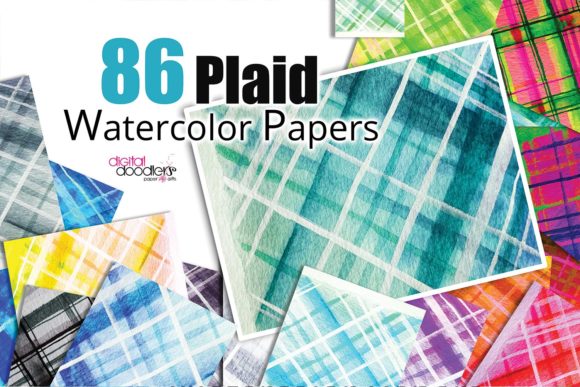
As someone who regularly designs and creates digital graphic design assets for handmade products, I always look for patterns that bring a unique personality to my projects. The Hand Painted Watercolor Plaid Paper caught my eye with its soft, textured look and the subtle charm it brings to any surface. It feels like the kind of pattern you’d find in a boutique shop or an artisan’s portfolio—elegant yet approachable, cozy but not too whimsical. This plaid is hand-painted, which means it has a natural variation in color and brushstrokes that give it character and make it feel less mass-produced.
Aesthetic Appeal and Customer Attraction
The first thing I noticed about this pattern is how it evokes a sense of nostalgia without being outdated. It suggests a vintage-inspired aesthetic, perfect for fall collections, winter markets, or even springtime pastels depending on the palette used. The watercolor texture adds depth and makes the plaid feel more organic than a rigid vector pattern. For those of us in the handmade business world, this can be a big draw. Buyers are often looking for something that feels personal and crafted, not just printed.
I see this pattern appealing to customers who appreciate rustic, feminine, or cozy designs. It might not be the right fit for bold, modern logos, but if you’re creating greeting cards, gift tags, or seasonal planner stickers, it could be just what you need to stand out in your Etsy shop or at a craft fair.
Real-World Applications for Handmade Products
Let me walk through some real crafting scenarios where this pattern can shine:
- Cricut Project Backgrounds: Use the plaid as a background element in Cricut projects such as custom mugs or tumbler wraps. Its gentle lines work well behind text or other SVG elements without overwhelming them.
- Printable Design Elements: Whether you're making printable wall art or planner pages, the watercolor plaid gives a warm, decorative touch that feels both professional and handmade.
- Sticker Design Accents: When paired with simple icons or phrases, the plaid can add visual interest to sticker sets. Just be mindful of using it on small sizes where detail may get lost.
- T-Shirt and Mug Designs: As a secondary design element, it works great in layered print-on-demand graphics. It can also serve as a base layer for tonal effects when using sublimation ink.
- Gift Tag and Card Decorations: The pattern’s softness makes it ideal for adding a subtle, elegant border or filling the background of holiday cards or thank-you notes.
- Seasonal Craft Bundles: I’m already thinking about including this in a fall-themed design bundle. It fits seamlessly into autumn prints, cozy home décor mockups, and seasonal packaging.
Technical Considerations for Real Crafting Workflows
Before diving headfirst into production, there are several technical aspects to evaluate, especially if you plan to use this as a commercial design in your handmade business.
SVG Line Quality: One of the first things I check is whether the lines in the SVG file are clean and properly closed. If the plaid is going to be cut from vinyl or heat transfer material, any broken paths or overlapping shapes can cause issues during the cutting process.
PNG Transparency: The PNG version should have a clear alpha channel so that the pattern doesn’t bleed into unintended areas when layered onto product mockups. I preview it in white and dark backgrounds to ensure it looks good on both light and dark materials.
Resolution for Sublimation: If you're planning to use this for sublimation design (like tumblers or ceramic mugs), confirm the resolution is high enough to maintain quality when scaled up. Low-res images can become blurry and lose their charm.
Color Testing: Because it's a watercolor-style asset, the colors may shift slightly depending on the printer or fabric. I always test the pattern on different surfaces before committing to a customer order or batch of handmade products.
Where This Asset Works Best
Here are the top areas where the Hand Painted Watercolor Plaid Paper pattern delivers strong results:
- Large Cut Files: The pattern holds up beautifully when scaled up for larger items like tote bags, banners, or canvas prints.
- Seasonal Craft Collections: It's particularly effective in fall or winter-themed bundles due to its warm, nostalgic vibe.
- Product Mockups: Use it as a background for your digital product mockups to showcase other designs or text elements in a cohesive way.
- Decorative Accents: Incorporate it as a border, corner embellishment, or fill in greeting cards, scrapbooking layouts, and handmade journals.
- Commercial Product Lines: With the right commercial license, this pattern can become a staple in your Etsy product range or local market offerings.
Where Caution Is Advised
While this pattern is beautiful, it isn't suitable for every project. Here are a few cases where I would advise using it carefully:
- Very Small Cutting Details: The fine brush strokes and intricate plaid lines may not translate well in tiny sizes. They can become jagged or lose clarity when resized too much for vinyl cutting.
- Crowded Compositions: If your design includes multiple layers or lots of text, avoid placing the pattern over dense areas. It can make the layout appear cluttered and reduce readability.
- Low-Contrast Color Schemes: The muted tones of the watercolor style may not show up well on similar-colored substrates. Always test on your intended product.
- Layered Vinyl Projects: Since it contains many overlapping elements, it may require manual cleanup in design software like Adobe Illustrator or Cricut Design Space before using in layered vinyl projects.
- Small Sticker Sizes: Unless simplified significantly, the plaid pattern may not work well on stickers under 2 inches. The details can become too delicate for precise cutting.
Design Pairing and Styling Tips
This pattern pairs best with fonts that complement its organic feel. I recommend testing it with:
- Serif Fonts: For a classic, elegant look in greeting cards or stationery.
- Script or Handwritten Fonts: To enhance the handmade aesthetic in DIY planners or personalized gifts.
- Display Fonts: For standout titles in product listings or promotional materials.
It also works surprisingly well with minimalist styles. By using the plaid subtly in corners or as a base layer, you can elevate the perceived value of your handmade business products without overpowering them.
Practical Crafter Notes
Before using this asset in any customer-facing project, I always follow these steps:
- Test Print: Print a sample on your intended material to assess color accuracy and resolution.
- Check Licensing: Confirm the commercial license allows for the type of use you plan—whether it’s for stickers, t-shirts, or branded packaging.
- Resize Thoughtfully: If you're resizing the pattern for smaller items, simplify the layout to preserve clarity and avoid unnecessary complexity.
- Mockup Preview: Place it on real product mockups to visualize how it will look once applied. This helps identify potential alignment or sizing issues early.
- Font Layer Test: Try pairing it with different font styles to see which combinations feel balanced and visually appealing.
Why This Pattern Matters for Creative Entrepreneurs
In the handmade product world, especially on platforms like Etsy or creative marketplaces, having a signature style can set you apart. The Hand Painted Watercolor Plaid Paper offers that signature warmth and uniqueness without being overly complex. It’s a versatile addition to your design assets collection that can support multiple product types and seasons.
For small business branding, it can subtly reinforce a theme across your product line. Think of it as a quiet but consistent visual language that speaks to your audience. Whether you're wrapping tumbler designs or printing on custom totes, this pattern can help build a cohesive brand identity.
Additionally, because it's a pattern rather than a full illustration, it can be reused in various forms—cutting files, printable overlays, and even as part of a design bundle. This makes it a smart investment for anyone building a library of graphic design assets to streamline future projects.
Final Thoughts for Crafters and Makers
The Hand Painted Watercolor Plaid Paper is a standout among patterns for its authenticity and adaptability. It brings a level of sophistication that feels hand-crafted, which is exactly what many buyers are seeking in today’s handmade market.
If you're working on a new line of seasonal products, planning a craft fair booth, or expanding your digital product offerings, consider how this pattern can enhance your designs while staying true to your brand’s visual voice. Just remember to test thoroughly, simplify when needed, and always verify licensing for commercial use.
With the right application, this pattern can become a valuable part of your creative toolkit. It’s not just a pretty design—it’s a practical one that supports real crafting needs and elevates your handmade business projects with thoughtful, artistic flair.