Pumpkin Pink Watercolor for Crafts: A Delightful Design Asset to Try
As someone who has spent years creating and selling handmade products, I always look for design assets that bring a unique visual flair without complicating the crafting process. Recently, I had the chance to work with Pumpkin Pink Watercolor, and after testing it across multiple projects—like custom mugs, stickers, and printable wall art—I wanted to share my honest take on how this graphic design asset can fit into your creative workflow.
First Impressions of Pumpkin Pink Watercolor
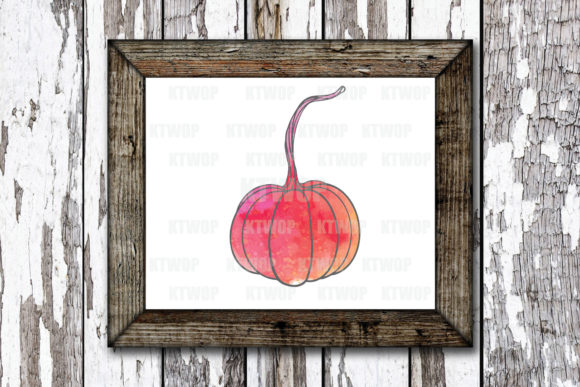
The moment I opened the SVG design file for Pumpkin Pink Watercolor, I was drawn to its soft, hand-painted aesthetic. It carries a warm, autumnal vibe that instantly feels cozy and inviting. The pink tones are subtle yet charming, perfect for those who want to add a feminine or whimsical touch to their craft projects. This isn’t a bold, in-your-face design—it’s more like a gentle whisper of fall, which makes it ideal for handmade sellers targeting buyers who appreciate understated elegance and seasonal charm.
From a style perspective, Pumpkin Pink Watercolor suggests a cute and rustic handmade approach. It works especially well for DIY creators looking to build cozy fall-themed collections or Etsy shop owners aiming to offer personalized gifts for birthdays, weddings, or holidays. If you're trying to create a product line that feels homey and artistic, this illustration could be a great fit.
Real-World Use in Handmade Products
I used Pumpkin Pink Watercolor in several formats to see how it performs in different scenarios. Here’s what I found:
- Cricut Project: The SVG file is clean and easy to cut, making it perfect for Cricut users working on greeting cards, gift tags, or planner stickers. The watercolor texture adds depth without overwhelming the machine.
- Silhouette Project: Silhouette users will also find it responsive. I tested it on a tumbler wrap, and the pink hues blended beautifully with the glass surface. Just make sure the lines are optimized for your specific software version.
- Sticker Design: For vinyl stickers, the PNG transparency worked well when resized to larger dimensions. However, if you’re making small stickers, the fine details may get lost unless you simplify the layout first.
- T-Shirt Design: When printed on cotton tees, the watercolor effect gave off a soft, artistic vibe. It paired nicely with both serif and script fonts, especially for casual, boutique-style apparel.
- Mug Design & Tumbler Wrap: The design looked stunning as a full wrap on ceramic tumblers and as a central feature on mugs. Its muted palette complements white ceramics but doesn’t pop as much on darker surfaces.
- Printable Design: As a digital product, Pumpkin Pink Watercolor works well for printable wall art and scrapbooking layouts. The resolution is suitable for print-on-demand services, though I recommend double-checking before bulk printing.
Best Fits for Pumpkin Pink Watercolor
This design thrives in situations where you need something decorative but not too busy. Some of the best applications I discovered include:
- Seasonal Craft Bundles: Pair it with other fall-themed illustrations for a cohesive bundle. Buyers love themed sets for holiday events or autumn decorating.
- Gift Products: Especially for thank-you cards, small gift tags, and packaging wraps. The watercolor style gives a personal, artisanal feel.
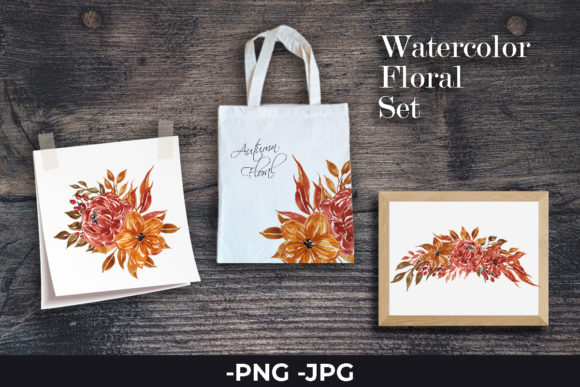
- Decorative Accents: Use it as an accent rather than the main focus. It looks beautiful in the corners of greeting cards or behind text on tote bags.
- Personalized Items: The soft colors and natural flow of the illustration blend seamlessly with names or dates added via font overlays.
- Product Mockups: Whether you're preparing images for your Etsy shop or marketing materials for a craft fair, this design adds a touch of warmth to mockups.
- Handmade Shop Collections: It’s a great addition to any fall collection, especially if you’re leaning into a cottagecore or minimalist aesthetic.
Use with Caution in These Scenarios
While Pumpkin Pink Watercolor is lovely, there are some areas where it might not perform as well. Based on my tests, here are a few things to keep in mind:
- Very Small Cutting Details: The watercolor brushstrokes can get a bit fuzzy at smaller sizes. Avoid using it for intricate vinyl cuts under 2 inches unless you simplify the paths.
- Thin Lines or Crowded Compositions: If your project involves tight spacing or thin outlines, consider adjusting the design before use. The brushwork may cause overlapping issues during cutting or printing.
- Low-Contrast Color Schemes: The pink tones don’t stand out as much on dark backgrounds. You may need to tweak the color contrast manually or pair it with a stronger focal element.
- Layered Vinyl Projects: Because of the soft edges and layered brushstrokes, it might not hold up well when stacked with other vinyl elements. Test it carefully if you plan to use it in layered designs.
- Small Sticker Sizes: Again, the fine details and soft shading tend to lose clarity when shrunk down. I’d suggest using it for large stickers or background elements instead.
Technical Tips for Using Pumpkin Pink Watercolor
Before jumping into production, especially for customer orders or commercial design purposes, there are a few practical steps every experienced crafter should take:
- Test the File: Always do a test print or cut. Even if the design looks good on screen, it may behave differently once applied to physical products.
- Check SVG Line Cleanliness: Open the SVG in your design software (like Cricut Design Space or Silhouette Studio) and zoom in to ensure all lines are closed and properly grouped.
- Preview PNG Transparency: If you're using it as a PNG for print-on-demand items, preview how the transparent background interacts with your product color. Sometimes unexpected shadows appear due to blending modes.
- Confirm Resolution for Sublimation: If you're planning to use it for sublimation prints, verify that the image resolution is high enough for your printer and fabric type.
- Resize Carefully: Resize the design while maintaining proportions. Stretching it too much can distort the watercolor effect and ruin the aesthetic.
- Test Colors Before Printing: Print a sample on your chosen material to check how the pink translates in real life. Digital screens can be misleading.
- Pair with the Right Fonts: I found that pairing it with a handwritten or script font enhanced the overall mood. For a more elegant look, try a serif font. A sans-serif can give it a modern twist.
- Confirm Commercial Licensing: Make sure the asset comes with a commercial license before using it in any customer-facing or handmade business products. This is critical for Etsy shops and creative marketplaces.
Why It Works for Your Handmade Business
Pumpkin Pink Watercolor brings a fresh, artistic energy to your designs. As a designer and seller myself, I know how important it is to have assets that feel unique and authentic. This one checks that box. It's versatile enough to adapt to various products and styles, from rustic farmhouse décor to chic boutique-style apparel.
If you're building a seasonal collection or launching a new line of printable designs, this illustration can help set the tone. It's especially useful for adding a decorative touch to items like thank-you cards, planner pages, or even handmade packaging. It fits well within a cozy, fall-inspired theme but still offers enough flexibility to be used year-round with the right adjustments.
Final Thoughts for Crafters and Creative Entrepreneurs
In summary, Pumpkin Pink Watercolor is a thoughtful and visually appealing design asset that can elevate your handmade creations. It’s not the kind of clipart you’ll use for everything, but when it fits, it really shines. I’ve already included it in a couple of upcoming design bundles for my Etsy shop and am considering using it as part of a premium fall-themed offering.
If you're a creative entrepreneur or hobby maker exploring new ways to enhance your product range, I recommend giving this asset a try—but remember to test it thoroughly. Every design has its strengths and limitations, and knowing how to work around them is key to success in the handmade industry.