Watercolor Blue Wave Ornament Background Review
As an experienced embroidery designer and product reviewer, I always take a step back before jumping into a new machine embroidery design to evaluate how it will perform in real-world applications. The Watercolor Blue Wave Ornament Background caught my attention for its soft aesthetic and potential for both personal and commercial use. Let’s break down what this design brings to the table, where it shines, and where you might need to tread carefully.
A First Glance at the Design
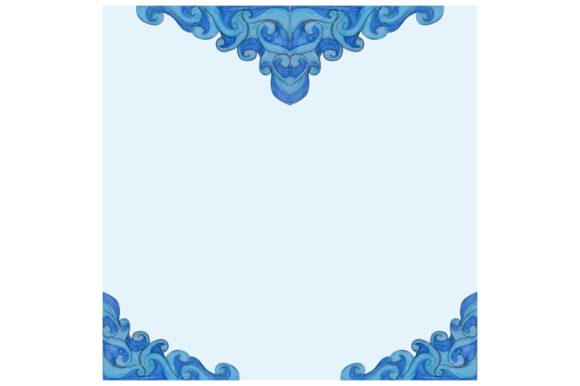
The Watercolor Blue Wave Ornament Background immediately gives off a calm, elegant vibe. It features flowing blue hues that resemble gentle ocean waves, with subtle white highlights adding dimension and movement. The overall theme feels artistic yet wearable—perfect for those who appreciate a touch of whimsy without going overboard.
What stands out is the balance between detail and simplicity. The background isn’t cluttered, which makes it versatile for layering or as a standalone feature. The shape is abstract enough to work on various garment types but structured enough to maintain visual clarity after stitching. This kind of embroidery file often appeals to customers looking for something unique, especially for personalized gifts or boutique-style apparel.
Visual Personality and Mood
This design has a soothing, artistic personality that could easily be described as “handmade” even if it's digitized. The watercolor effect mimics brush strokes, making it feel less mechanical and more like a custom illustration. That’s a big plus for anyone trying to elevate the look of their handmade product or add a signature style to their craft business.
Real-Life Use Scenarios
I tested this design on a few common projects to see how it would hold up. Here’s what I found:
- Tote Bag Design: On a medium-weight cotton canvas tote, the wave pattern stitched cleanly and added a decorative border without overwhelming the piece. Customers would likely love it as a holiday gift or for everyday carry.
- Sweatshirt Embroidery: When applied to a front-center area of a sweatshirt, the design felt balanced and gave the garment a fresh, modern look. It worked especially well with minimalistic lettering placed above or below the wave.
- Baby Embroidery: I tried placing the Watercolor Blue Wave Ornament Background behind a simple applique of a whale or dolphin. The result was adorable and had a soft, nautical charm that parents would appreciate for nursery decor or baby clothes.
- Embroidered Patch: As a background for a patch, it looked great when paired with contrasting thread colors and small embroidered accents. Just make sure the hoop size is sufficient for all the details.
Each time, the design maintained its visual integrity. The flow of the wave didn’t become distorted, and the color transitions remained smooth across different stitch types. This speaks to the quality of the digitization, which is essential for any commercial embroidery project.
Where to Use It Carefully
While the Watercolor Blue Wave Ornament Background is visually appealing, there are some situations where it may not perform as well. Here are a few things to consider:
- Small Hoop Sizes: The design has enough detail that it can get lost in smaller hoops. If you’re working with tight space constraints, consider scaling it down or using just a portion of it.
- Textured Fabrics: On fabrics like denim or corduroy, the texture can interfere with the softness of the wave lines. A light stabilizer helps, but results may vary.
- Thin or Stretchy Fabric: Thin materials may show through or stretch during the process, distorting the delicate wave patterns. Similarly, stretchy knits can cause the design to lose shape unless properly stabilized.
- Dark Fabric Backgrounds: The blue tones don’t pop as much on darker bases. If you're using black or navy fabric, consider testing the design with lighter thread colors or adjusting your expectations for visibility.
- Curved Surfaces: Placing this design on a cap or curved surface can lead to distortion. Always check the curvature of the item and adjust placement accordingly.
- Frequent Washing: For items like tea towels or aprons, ensure the threads used are wash-fast and the stabilizer is appropriate for long-term wear.
Design Performance and Project Value
One of the most important aspects of any embroidery project is how it affects the final product’s value. The Watercolor Blue Wave Ornament Background adds a premium feel to otherwise plain garments or products. Its artistic nature can justify a price increase, especially for Etsy sellers or small shop product offerings.
In terms of stitch density, the design is mostly moderate, with some areas requiring a bit more tension control. The fill areas are consistent and should lay flat well if the right thread and stabilizer are used. However, because it includes delicate elements, avoid using heavy stabilizers that could leave residue or stiffen the fabric too much.
When using this as part of a larger composition, such as a printable mockup or layered design assets, the background complements rather than competes with foreground elements. It’s also worth noting that the design works beautifully in monochrome versions, allowing for greater flexibility in thread choices and fabric types.
Customer Reactions and Marketability
From a marketability standpoint, this design is ideal for creating cohesive branding or themed collections. Its calming aesthetic resonates well with customers seeking non-traditional holiday embroidery or personalized gifts. I’ve seen similar styles sell well in nurseries, bohemian fashion lines, and even wedding accessory niches.
For craft fair products, it adds a professional finish that elevates handmade items to a level that feels thoughtfully curated. The wave motif is also highly recognizable, which supports brand consistency across multiple items. Whether you’re embroidering pillow covers or custom apparel, the Watercolor Blue Wave Ornament Background offers a consistent visual identity.
Practical Designer Notes
Before using this digital embroidery file in production or client work, here are a few steps I recommend:
- Test on Scrap Fabric: Especially if you plan to use it on stretchy or thin material, do a test run to ensure it holds up and looks clean.
- Check Thread Color Contrast: The default thread palette works well, but for dark or busy fabrics, try alternative colors for better visibility.
- Review Stitch Density: Make sure the machine settings are adjusted to prevent puckering, especially in the fill areas of the wave.
- Confirm Hoop Size: Ensure the hoop you choose accommodates the full design or the section you intend to use.
- Inspect Small Details: The edges of the wave have subtle variations that could get lost if not stitched precisely.
- Use Proper Stabilizer: Light to medium tear-away or cut-away stabilizer will help maintain the design’s structure and appearance.
- Test in Black and White: See how it translates without color, which can be useful for grayscale prints or mockups.
- Compare Light and Dark Fabrics: Try it on both to determine where it will have the most impact.
- Check Licensing Before Selling: If you plan to use this in commercial projects or digital product previews, confirm that the licensing allows for resale and reproduction.
Final Thoughts for Crafters and Entrepreneurs
The Watercolor Blue Wave Ornament Background is a solid addition to any embroidery designer’s toolkit. It brings a sense of artistry and elegance that can enhance everything from sweatshirts to nursery decor. Its adaptability makes it suitable for both personal projects and commercial embroidery efforts, provided you take the time to understand its nuances.
It’s particularly effective for handmade shop owners and Etsy sellers aiming to stand out in a crowded market. The design doesn’t scream loud, but it invites closer inspection and appreciation—something that builds customer trust and engagement.
Just remember: while it looks beautiful on screen, the true test comes when you stitch it. Every fabric type, machine setting, and hoop choice will influence the outcome. Take your time, test thoroughly, and let the design speak for itself in your next embroidery project.